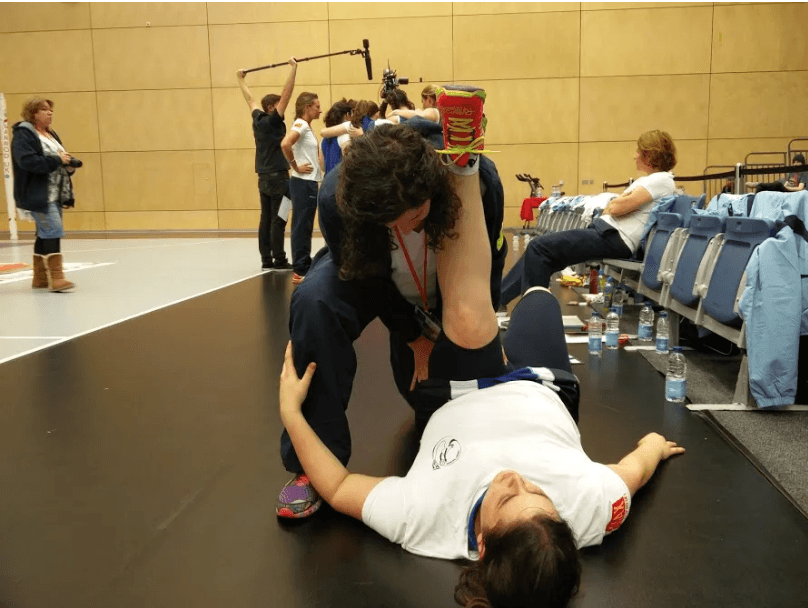
How exercises make your treatment last
Hands-on treatment — adjustments and muscle work — restores movement. Exercise is what keeps it: strengthening the muscles that support the corrected joint, stretching the ones that pull it out of line, and retraining the movement patterns that caused the problem in the first place. Clinical guidelines for low back pain consistently put exercise among the first-line treatments, which is exactly how we use it.
What your program includes
- Stretches for the muscles your examination showed are tight — each with exact hold times and repetitions.
- Strengthening for underactive muscles, usually the deep core and postural muscles.
- Movement habits — micro-breaks, desk setup, and phone posture, because an hour of exercise can't out-train nine hours of slouching.
Built to actually fit your life
Dr. Tuchinsky provides her patients with exercise protocols that complement the treatments performed that day — taught in the clinic until you can do them confidently, written down for home, and progressed as you improve. Your program is designed to be realistic: short enough that you can actually fit it in, and specific enough that it produces change. When you're discharged, the program goes with you — it's your insurance policy against relapse.